Metal Roof vs. Shingles: Which Is Better for a Northern Indiana Home?
Metal costs about 30 percent more up front and lasts longer. How long you plan to stay, and what is on the roof now, decide which one fits your house.
By L.A. Roofing Published 6 min read
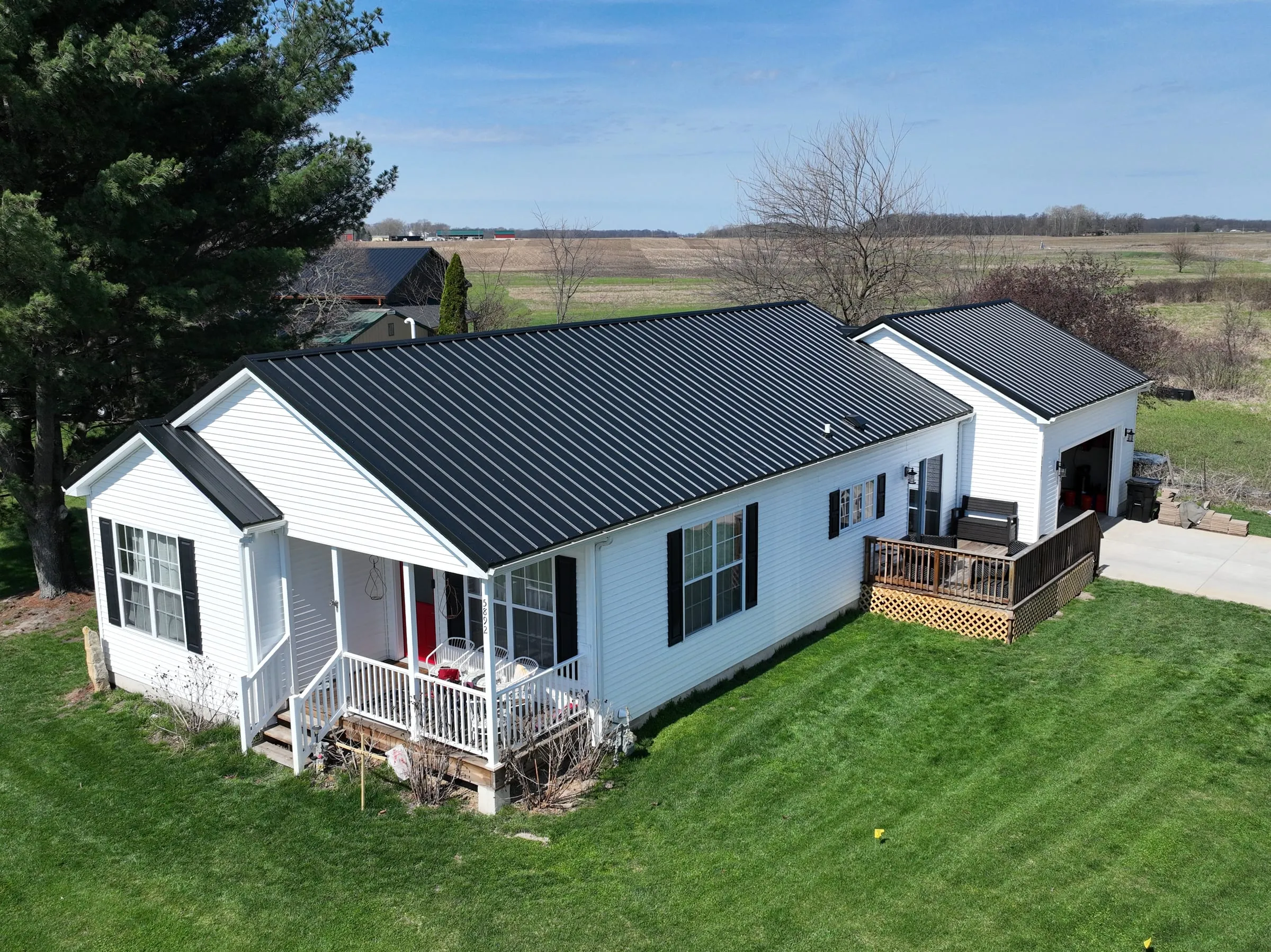
Metal roof or shingles? Start with how long you plan to stay.
Most of what you will read about metal roof vs shingles was written for the whole country. This is written for a house in northern Indiana, where both are real roofs. Shingles cost less up front. Metal costs more and lasts longer. The rest is detail, and most of the detail comes down to two questions: how long you will be in the house, and what is on the roof right now. Answer those two and the choice usually makes itself.
Metal roof vs shingles cost: what the gap looks like on a real house
The first number anyone wants is the gap. On a typical house in this area, a metal roof runs about 30 percent more than a shingle roof on the same house.
National cost guides will show you a bigger gap than that. Those averages lean on larger roofs and big-city labor. Treat them as the wide end of the range, not your quote.
Three things move the number on your house.
First, size and pitch. A bigger roof takes more material. A steeper roof takes more time, and the labor goes up with it. That is true for either material.
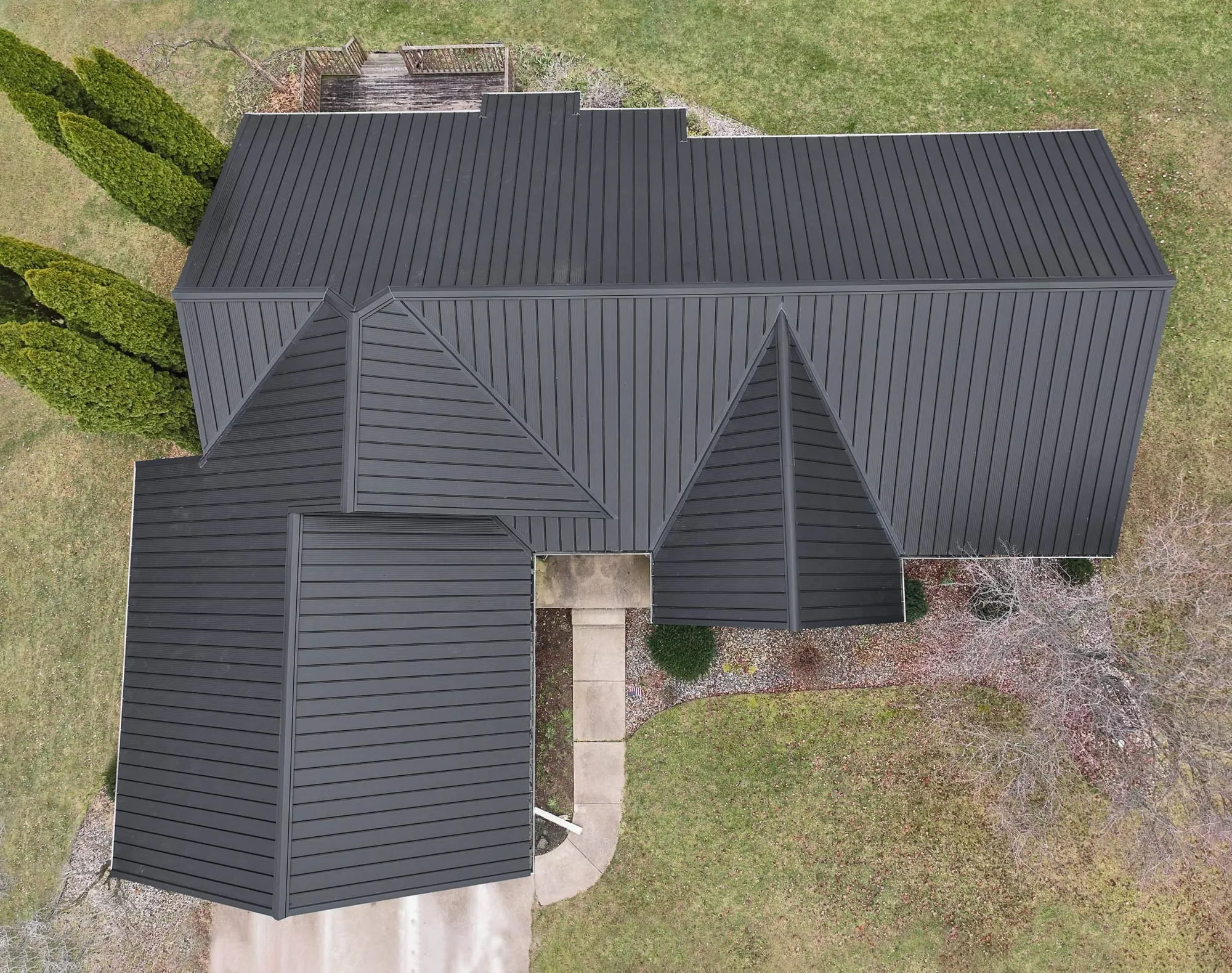
Second, the metal profile. Standing seam panels, the kind with raised ribs and no exposed screws, cost more than exposed-fastener panels. Both are steel. Both come in 20 plus colors. They are different roofs at different prices, so when you compare a metal quote to a shingle quote, know which kind of metal it is.
Third, what is on the roof now. If your roof already has two layers of shingles, the code does not allow a third. Both layers come off, and the labor and the dumpster go into the shingle quote. A tear-off does not change what the new shingles cost. It changes what the job costs, and it can shrink the gap between the two quotes more than people expect.
How long each roof lasts, and what you get back
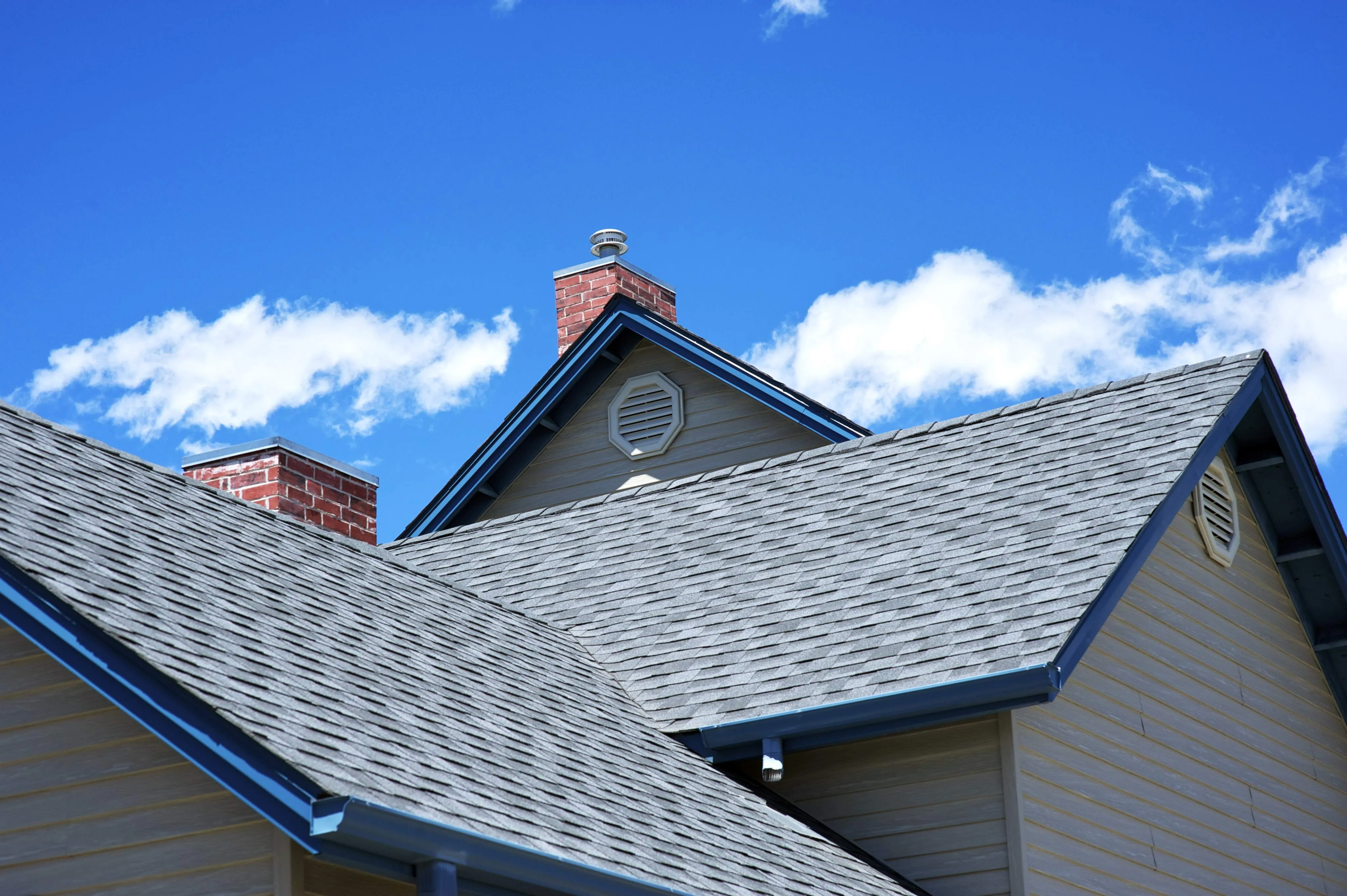
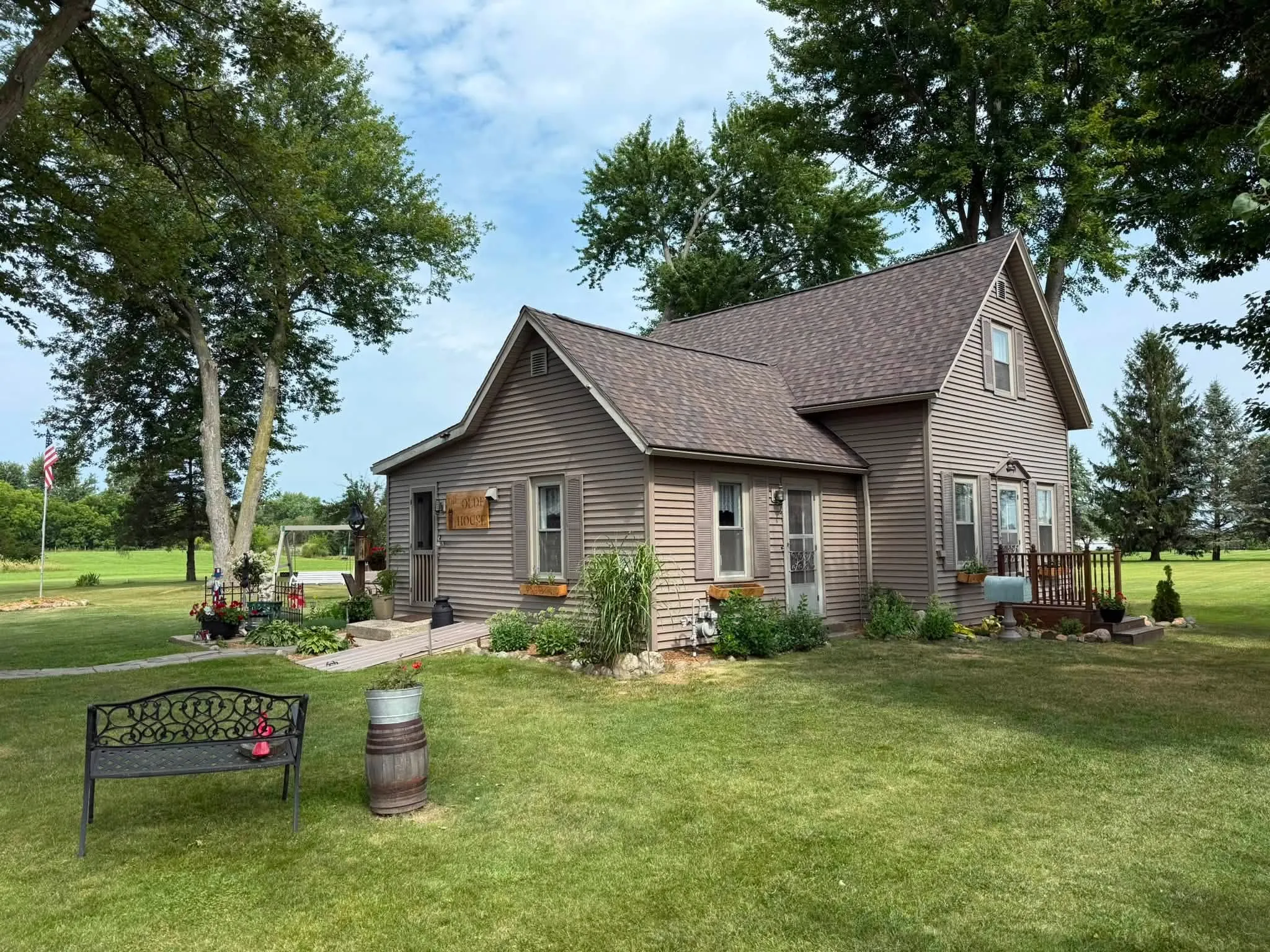
A metal roof lasts 40 to 70 years, and its panels carry a 40- or 50-year paint warranty, depending on the product. The architectural shingles sold for this market are 30-year products, and the better ones carry a lifetime limited warranty from the manufacturer.
“Lifetime limited” means what the written warranty says it means, usually for as long as you own the home, with conditions. It is a promise about the shingle itself, not about the whole roof. Read the warranty, and ask who the installer is, because manufacturer warranties on both materials have conditions about who puts the roof on. CertainTeed’s Integrity Roof System, for example, carries a 50-year warranty only when a credentialed installer puts on the full system.
Then there is resale. The 2025 Cost vs. Value Report puts the national return on a new asphalt shingle roof at about 68 percent of what it cost, and a new metal roof at about 50 percent. A buyer is paying for a new roof either way. They are not paying extra for the longer one.
- Shingle roof, cost recouped
- 68%
- Metal roof, cost recouped
- 50%
National averages, 2025 Cost vs. Value Report.
So if you sell in the next five or ten years, the shingle roof costs less and returns more of its cost. If you stay twenty years or more, the shingle roof gets replaced once in that time, and the metal roof does not.
What a northern Indiana winter does to each roof
Snow raises two questions. Can the roof carry it, and what happens to it once it is up there.
The first one is settled by the framing, not the roofing. The Indiana Residential Code assigns every county a ground snow load, and the rafters or trusses under your roof were sized to it when the house was built. Either roof goes on the same frame. If the frame is sound, “can it hold the snow” is already answered, metal or shingle.
What differs is what the snow does next. A smooth metal roof sheds it. That is good for the roof and hard on whatever is under the eave: a sliding sheet of snow can take the gutters with it, and it lands on the walk or the front step. Snow guards exist for exactly this and fit every style of metal roof. Plan on them over doors and walkways. Shingles hold the snow where it lands and let it melt in place.
Ice dams are the other winter question, and they get blamed on the wrong thing. That ridge of ice along the eave with icicles hanging off it, and the stain on the ceiling a week later, starts in the attic. Heat leaking from the house warms the roof deck from underneath, snow melts, the water runs down to the cold eave and freezes there. The roofing on top has little to do with it.
The fix is under the roof: seal the ceiling, insulate the attic, and ventilate it so the deck stays cold. Metal helps because the snow tends to leave before there is much to melt, but a metal roof over a leaky attic can still ice up. Under either roof, the ice barrier underlayment the code requires at the eaves in this part of the state is what keeps that water out of the house when a dam does form.
- Warm air leaks from the house into the attic.
- Heat melts the snow on the upper roof from underneath.
- Meltwater runs down toward the eave.
- It refreezes at the cold eave, past the wall, into an ice dam.
- Ice barrier underlayment keeps water that backs up behind the dam out of the house.
Is a metal roof worth it? Where each one fits
The same few facts decide it for most houses.
| Your situation | What usually fits | Why |
|---|---|---|
| Selling within five to ten years | Shingles | Lower cost, and a bigger share of it back at resale |
| Staying twenty years or more | Metal | One roof instead of two |
| Roof already has two layers | Get both quotes with the tear-off priced | The code requires removal before new shingles go on; see the first question below for metal |
| New build or addition | Either; metal if the budget allows | No tear-off on either, so the gap is the full gap |
| Farmhouse, barn, or outbuilding where the roof is most of what you see | Metal in a color that fits | 20 plus steel colors and profiles, and it sheds snow |
| Budget sets the ceiling | Shingles | The lower price on the same house, with a manufacturer warranty behind it |
A shingle roof installed right by a certified installer is a good roof, and nobody should talk you out of one because metal lasts longer. The question is whether you will be there to use the longer life.
If you are within 50 miles of Rochester, Indiana
We install both, so we can put a real number on each for your house instead of a national average. An estimate visit means we come out, look at how many layers are on the roof now, what shape the deck is in, and how the attic is vented, and you get a written estimate with no obligation. Those three answers, plus how long you plan to stay, settle most of this before you get to color samples.
Frequently asked questions
Can you put a metal roof over shingles?
Sometimes. We can install standing seam over one existing layer when the roof is in suitable condition. Two or more layers means a full tear-off, and we recommend tearing off anyway if the deck needs a closer look or repairs. The Indiana Residential Code lets a complete and separate roofing system, such as standing seam metal that carries its own load to the structure, go over an existing roof covering without tearing it off. It also bars any re-cover where the roof already has two or more layers. Whether a given roof qualifies depends on the deck, the layers, and the county building department, so have the deck looked at before anyone quotes it that way.
Are metal roofs loud when it rains?
Not on a house. The bare steel barn roof people remember has nothing under it but air. A metal roof on a home goes over solid decking, underlayment, and an insulated attic, and with those three in place it isn't much louder than a shingle roof in the rain.
Does homeowners insurance go down with a metal roof?
It can, but not because it is metal. Some insurers discount premiums for impact-rated roofing, metal or asphalt, and the discount depends on your state. Some policies on metal roofs also carry an exclusion for certain kinds of damage to the metal. Ask your agent for both numbers before you decide, and get the answer in writing.
What is the biggest problem with metal roofs?
The up-front price. On the same house it runs about 30 percent more than shingles here, and more than that in national averages. The second is installation. The code exception that allows metal over an old roof is written for complete systems installed as designed, and the panel manufacturer's warranty has its own conditions about installation. Who installs it matters.
Sources
- Indiana Residential Code (2020 edition, based on the 2018 IRC), Section R908.3.1 Roof recover, item 2 (complete and separate roofing systems such as standing seam metal) and R908.3.1.1 (roof recover not allowed where the existing roof has two or more applications of roof covering); Table R301.2(1) Climatic and Geographic Design Criteria (ground snow load and ice barrier underlayment by county).
- Zonda / Journal of Light Construction, 2025 Cost vs. Value Report, roofing replacement, asphalt shingles (68% cost recouped) and metal (50%).
- U.S. Department of Energy, Building America Solution Center, Attic Air Sealing, Insulating, and Ventilating for Ice Dam Prevention.
- Metal Roofing Alliance, Snow & Ice (snow shedding, snow guards for every style of metal roof).
- State Farm, Impact-Resistant Roofing Materials (state-dependent discounts for impact-resistant roofing; exclusion of certain damages to metal roof products).
- L.A. Roofing, Metal Roofing and Shingle Roofing service pages (40 to 70 year metal lifespan; 20 plus colors; Owens Corning and CertainTeed products and certification).
- L.A. Roofing, owner's answers to the article's fact check, October 2026 (metal about 30 percent more than shingles on the same house; standing seam over one existing layer when the roof is in suitable condition; 40- or 50-year paint warranties on metal products).